28 September 2026
Benefits of Early Wisdom Teeth Removal in Oxnard CA
Presented by @beckettcyau477
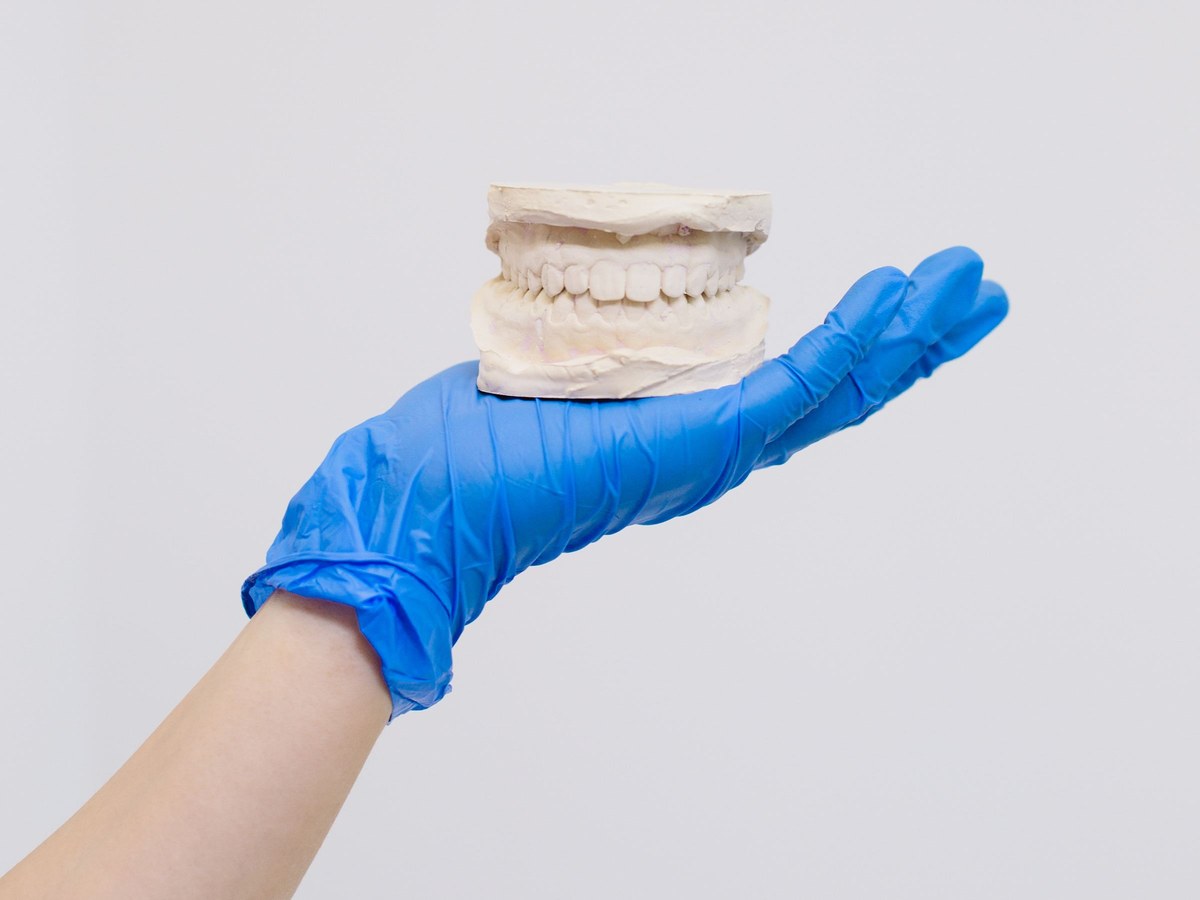
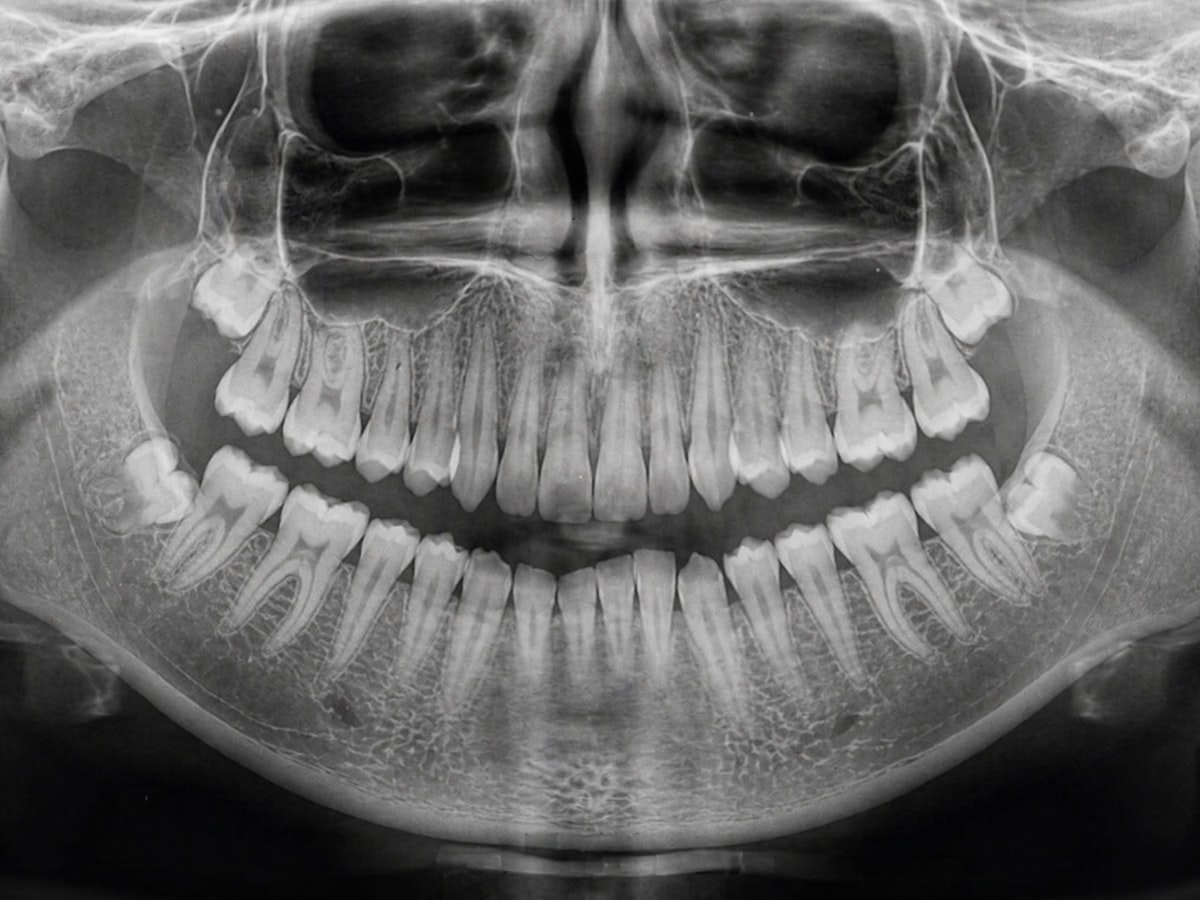
Wisdom teeth have a way of becoming a problem quietly. A teenager feels occasional pressure in the back of the jaw, or a college student notices that brushing the farthest molars has become awkward. Nothing seems urgent at first. Then a small issue turns into swelling, a hard-to-ignore ache, or a gum infection that makes eating miserable for a week. That pattern is one reason dentists and oral surgeons often recommend evaluating wisdom teeth early, before they create a bigger and more expensive situation.
For families considering Wisdom Teeth Removal Oxnard CA, timing matters almost as much as the procedure itself. Removing third molars before they fully develop or before they start causing damage can make treatment simpler, recovery smoother, and long-term oral health easier to protect. Early removal is not automatically the right choice for every patient, but in many cases it offers real, practical advantages.
Why wisdom teeth so often cause trouble
Wisdom teeth, also called third molars, usually appear in the late teen years or early twenties. Some people have enough room for them and never experience meaningful trouble. That does happen. But in day-to-day practice, it is much more common to see wisdom teeth that arrive at the wrong angle, stay trapped below the gums, or partly break through and create a pocket where bacteria thrive.
Modern jaws often do not have enough space to accommodate four extra molars comfortably. When space runs short, the tooth may push against the second molar, remain impacted in bone, or emerge only halfway. That partial eruption is especially troublesome because it creates a difficult-to-clean flap of gum tissue. Food and bacteria collect there, and inflammation follows.
Patients are often surprised that impacted wisdom teeth can cause harm even when they are not painful every day. Pressure against neighboring teeth, hidden decay, gum infection, and cyst formation are all possibilities. Some problems remain invisible without X-rays, which is why early evaluation matters. A patient may feel fine while damage slowly develops under the surface.
The strongest case for acting early
The phrase “early removal” usually means evaluating and treating wisdom teeth during the mid-to-late teenage years or early adulthood, often before the roots are fully formed and before complications set in. That timing offers several important benefits.
Younger patients generally heal faster. Bone is typically more flexible, the roots may be shorter, and the tissue response after surgery is often easier to manage. That does not mean adults cannot have wisdom teeth removed successfully, because they can and do every day. It does mean that a straightforward case at 17 can become a more involved surgical extraction at 29 if the teeth are left to mature in a poor position.
There is also the issue of preventable damage. Once a wisdom tooth starts affecting the second molar in front of it, the consequences can outlast the extraction itself. A second molar with decay on its back surface, gum loss, or root damage may need additional treatment later. Removing the wisdom tooth early can help avoid sacrificing the healthier tooth next to it.
In practical terms, families in Oxnard often schedule oral surgery during school breaks, summer vacation, or a long weekend when recovery is easiest to manage. Planning ahead is far easier than trying to fit urgent treatment around work deadlines, college exams, or travel plans after a painful flare-up.
Recovery is often easier in younger patients
This is one of the most consistent patterns oral surgeons see. A healthy 16-year-old with impacted wisdom teeth frequently bounces back https://judahwtwa409.halcyonledger.com/posts/wisdom-teeth-removal-oxnard-ca-everything-you-should-ask-your-surgeon faster than a 35-year-old with the same basic anatomy. Swelling tends to resolve more quickly, jaw stiffness may be less intense, and the body generally handles tissue repair well.
Root development plays a role here. If the roots are not fully formed and have not wrapped closely around nearby structures, the extraction can be more straightforward. Bone density also changes with age. Younger bone is often less brittle and more forgiving during removal. Those differences are not dramatic in every case, but they matter.
That said, “easier recovery” should not be confused with “effortless recovery.” Even early removal requires proper aftercare. Most patients need a few quiet days, soft foods, hydration, and careful attention to post-operative instructions. Swelling, soreness, and some fatigue are normal. The advantage is that these symptoms are often more manageable when surgery happens before the teeth become deeply entrenched or infected.
Preventing crowding, decay, and gum issues
Patients often ask whether wisdom teeth actually cause front teeth crowding. The answer is more nuanced than many people expect. Severe crowding in the front teeth is not always caused directly by wisdom teeth, and orthodontic relapse can happen for several reasons. Still, impacted or erupting third molars can create pressure and contribute to discomfort in an already tight arch.
A more immediate concern is hygiene. The farther back a wisdom tooth sits, the harder it is to clean well. Even highly motivated brushers struggle to reach a partially erupted third molar tucked behind the second molar. Plaque collects. Gums become inflamed. Cavities can form in places that are hard to detect early.
One common scenario looks like this: a patient reports tenderness behind the last molar when chewing. On exam, there is a partially erupted lower wisdom tooth with swollen tissue around it. Food has been packing under the gum flap for weeks. The wisdom tooth itself may still be salvageable in theory, but the position makes proper cleaning nearly impossible. Removing it before repeated infections occur usually makes more sense than trying to manage a chronic problem.
When early removal works well, it can prevent issues such as:
- recurrent gum infection around a partially erupted tooth
- decay on the wisdom tooth or the second molar beside it
- pressure and damage against adjacent roots or bone
- prolonged pain episodes that disrupt school, work, or sleep
- more difficult surgery later after roots fully develop
That list covers the most common benefits patients appreciate afterward. Many say the biggest relief is not just the absence of pain, but the elimination of uncertainty. They no longer have to wonder when the next flare-up will happen.
Why hidden problems matter more than visible ones
One of the challenges with wisdom teeth is that the most serious issues are not always obvious in the mirror. An upper wisdom tooth may sit quietly for years, while a lower one remains buried at an angle against the second molar. A patient may have no major symptoms until the damage reaches a threshold.
X-rays help reveal whether a tooth is impacted, whether roots are close to important structures, and whether the neighboring molar is at risk. This is especially valuable in the late teen years, when treatment planning can happen before pain drives the decision.
The distinction between symptom-free and problem-free matters here. A tooth can be symptom-free and still be creating a situation that is likely to worsen. That is why a careful clinical exam and imaging review are so useful. Early wisdom teeth removal is not about rushing people into surgery. It is about making decisions while options are still favorable.
The financial side of waiting too long
People understandably think first about the upfront cost of extraction. What often gets overlooked is the cost of delaying necessary treatment. A problematic wisdom tooth can trigger urgent visits, antibiotics, repeated evaluations, lost workdays, and treatment for damage to nearby teeth. If the second molar develops a cavity or periodontal defect, the total cost can rise well beyond the price of removing the wisdom tooth earlier.
There is also a quality-of-life cost. A student who develops a painful infection during finals week, or a working adult who has to postpone treatment until swelling becomes intolerable, pays for that delay in stress and disruption. Elective surgery done at the right time tends to be much easier to manage than emergency care forced by pain.
For families researching Wisdom Teeth Removal Oxnard CA, it helps to think in terms of the full picture rather than the extraction fee alone. Timing, complexity, time away from normal activities, and the condition of neighboring teeth all influence the true cost.
Local factors that matter in Oxnard
Oxnard’s pace of life shapes how people approach oral surgery. Many patients are balancing school schedules, shift work, athletics, college visits, or family caregiving. That is why timing early removal strategically can make a significant difference. Summer often remains the preferred window for teens and college students, especially when several days of rest can be planned without academic pressure.
The local climate matters in small but practical ways too. Recovery after oral surgery goes more smoothly when patients stay hydrated and avoid overexertion. In warmer weather, especially for active teens, it is worth emphasizing that strenuous exercise too soon can worsen swelling or bleeding. A quiet recovery day on the couch may not be anyone’s ideal weekend, but it is usually a better trade than dealing with complications from doing too much too soon.
Not every wisdom tooth needs to come out
A balanced discussion should say this plainly: not all wisdom teeth require removal. Some erupt fully, align well, function normally, and can be cleaned effectively. Others are present but stable and not causing disease. In those cases, monitoring may be appropriate.
The decision should be based on anatomy, eruption pattern, hygiene access, symptoms, age, and radiographic findings. Blanket rules are rarely the best medicine. A patient with four fully impacted, poorly positioned wisdom teeth at age 18 is a different case from a patient in their thirties with one upper wisdom tooth that has remained stable and harmless.
Good judgment is the heart of this. Early removal is beneficial when the likely future problems outweigh the burden of surgery now. Observation is reasonable when the teeth are healthy, functional, and low risk. The key is not to ignore them out of habit or fear.
What a thoughtful evaluation usually considers
A proper assessment goes beyond asking whether the tooth hurts today. Dentists and oral surgeons typically look at the angulation of the tooth, available space in the jaw, root development, gum health, contact with the second molar, and any signs of infection or pathology on imaging.
Patients benefit from asking practical questions. How likely is this tooth to erupt normally? Is it cleanable in its current position? Is there already damage to the tooth in front of it? Would waiting six or twelve months meaningfully change the difficulty of removal? Those questions lead to better decisions than focusing only on whether there is current pain.
A solid consultation often covers these points:
- whether the teeth are erupted, partially erupted, or fully impacted
- how close the roots are to nearby nerves or sinus spaces
- whether the second molars show signs of decay, resorption, or gum loss
- the expected recovery time based on age and tooth position
- whether monitoring is reasonable or removal is the safer long-term plan
That conversation should feel individualized. Patients deserve more than a quick recommendation with no explanation.
What recovery usually looks like
Most wisdom tooth recoveries follow a fairly predictable pattern. The first 24 hours are usually about rest, gauze changes if needed, hydration, and staying ahead of soreness with prescribed or recommended medication. Swelling often peaks around the second or third day, which catches some patients off guard because they expect each hour to feel better than the last. After that, discomfort typically starts easing.
Soft foods help. Yogurt, soups that are not too hot, smoothies eaten with a spoon, mashed potatoes, scrambled eggs, and oatmeal are common choices. Patients should avoid straws in the early healing period, since suction can interfere with clot formation. Good hydration matters more than many people realize. So does sleep.
One detail patients appreciate hearing ahead of time is that limited jaw opening can happen for several days, especially with lower extractions. This is common and usually temporary. Another is that the mouth may feel uneven or strange while the area heals. That sensation often resolves steadily over the first week or two.
Most younger patients return to light normal activity within a few days, though full healing beneath the surface takes longer. The goal of early removal is not to pretend surgery is nothing. It is to make the surgery as manageable and low-risk as possible.
The emotional side of doing it sooner
Fear delays a lot of wisdom tooth treatment. Some patients are nervous about sedation. Others have heard dramatic stories from friends and expect the worst. In practice, anxiety often improves once the plan is clear, the imaging has been reviewed carefully, and the patient understands what the first few recovery days will actually involve.
Parents of teenagers often notice another pattern. If they wait until a child is away at college and then the wisdom teeth act up, the logistics become far harder. Coordinating transportation, follow-up, prescriptions, and meals from a distance is stressful. Addressing likely problem teeth earlier, while support is close by, is often the smoother path for everyone involved.
There is also value in not letting a known issue hover in the background for years. Patients who have been told since high school that their wisdom teeth “might become a problem later” often feel relief after finally taking care of them. The uncertainty disappears.
When waiting makes sense, and when it usually does not
If wisdom teeth are healthy, fully erupted, and easy to clean, observation can be entirely reasonable. The patient should still have periodic exams and imaging as advised, because status can change over time. Monitoring is not neglect when it is active and intentional.
Waiting makes less sense when the teeth are impacted against second molars, repeatedly inflame the gums, trap debris, contribute to cavities, or are unlikely to erupt into a functional position. In those cases, delay usually benefits the tooth, not the patient. The roots mature, the bone firms up, and the opportunity for a simpler extraction narrows.
That distinction is what patients should keep in mind when discussing Wisdom Teeth Removal Oxnard CA. The goal is not early removal for its own sake. The goal is preventing avoidable trouble while treatment is still in the patient’s favor.
A practical decision, not just a dental one
Early wisdom tooth removal is often framed as a narrow dental procedure, but in real life it is a practical decision about timing, risk, comfort, and long-term maintenance. When problematic third molars are addressed before they trigger infections or damage neighboring teeth, patients usually gain a smoother recovery, fewer interruptions, and less chance of facing a more complex procedure later.
For teens, young adults, and parents trying to plan wisely, that is the central benefit. Early action can turn a looming problem into a controlled, well-timed event. And in oral health, controlled and well-timed usually beats urgent and painful every time.
Oxnard Dentistry
1730 E Gonzales Rd
Oxnard, CA 93036, United States
Phone: +1 805-307-8731
FAQ About Wisdom Teeth Removal Oxnard CA
How much does it cost to get wisdom teeth removed in California?
Fees depend on tooth position, the number of extractions, imaging and anesthesia. Oxnard Dentistry can provide an individual estimate after examining your teeth. Ask for an itemized plan and confirm insurance benefits before scheduling.
Will insurance cover wisdom teeth removal?
Coverage and out-of-pocket costs vary by policy and the treatment required. Ask the dental office and your insurer to verify benefits, annual limits and any authorization requirements. A benefit estimate does not guarantee payment.
Is 30 too old to have wisdom teeth removed?
Age alone does not determine whether extraction is appropriate. A dentist evaluates symptoms, tooth position, oral health and medical history. Healthy, functional wisdom teeth may be monitored; teeth causing disease or other problems may need treatment.